
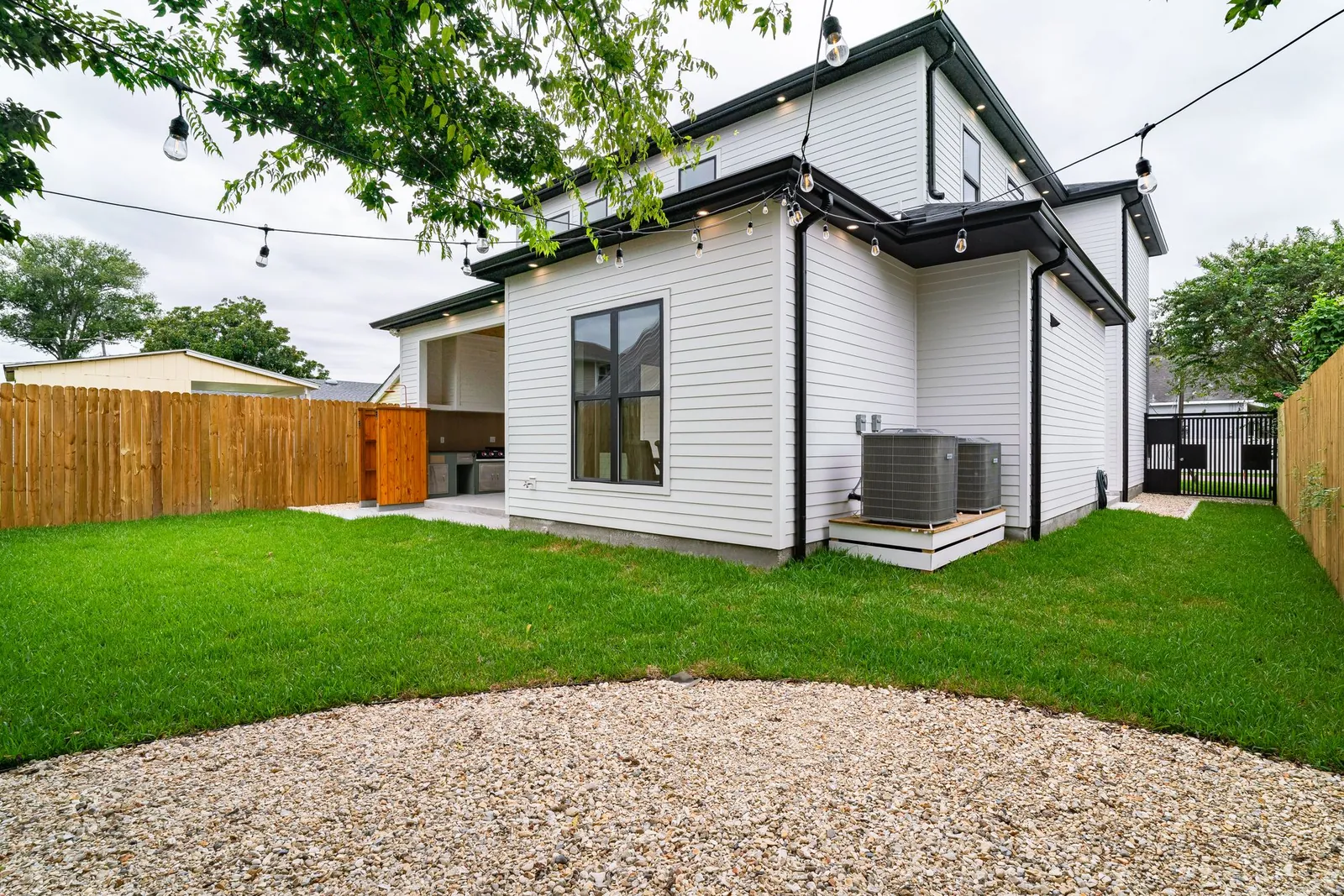
AC repair in Aurora, CO for central air conditioners, heat pumps in cooling mode and ductless mini-splits. Aurora summers are short but hot, and an air conditioner that sat all winter can fail on its first long run in June.
NOAA normals for the Centennial Airport station show about 32 days a year at 90 degrees or warmer. That is a fraction of the heating season, so most of the work on an Aurora AC is about parts that wear out from sitting idle and parts that wear out from heat: capacitors, contactors, fan motors and slow refrigerant leaks.
Air Conditioning Repair: Parts We Replace
- Run capacitors, dual capacitors and hard start kits
- Contactors and outdoor disconnects
- Condenser fan motors and fan blades
- Compressors and compressor wiring
- Evaporator coils and refrigerant leaks at coils, line sets and valves
- Expansion valves and other metering devices
- Condensate drains, traps and pumps
- Ductless mini-split boards, sensors and fan motors
The Furnace and the AC Work Together
In most Aurora houses the air conditioner's indoor coil sits on top of the furnace, and the furnace blower pushes the cold air through the house. A furnace with a bad blower motor, capacitor or control board will stop the AC too, even when the outdoor unit is fine. That is why AC repair here often starts at the furnace in the basement or closet, not at the condenser outside. Furnace-side faults are on furnace repair in Aurora.
Aurora Winters and Outdoor AC Units
Snow, ice and freeze-thaw cycles work on a condenser that sits through an Aurora winter. Bent fins, a fan blade cracked by ice, mice nesting in the electrical panel and wiring chewed at the disconnect all show up at the first spring start. A heat pump runs through the winter and wears its outdoor fan motor and contactor year round. Covering or uncovering the unit does not replace a look at the electrical panel before summer.
AC repair covers Summer Valley, Meadow Hills, Meadowood and the rest of the Aurora service area, plus HVAC repair when the heat and AC fail together.
Sources and local offices: NOAA climate normals, 80013 housing data, Aurora, Colorado.
Questions About AC Repair
What is the most common problem with AC units?
A failed capacitor or contactor in the outdoor unit, followed by refrigerant leaks, frozen coils from low airflow, and clogged condensate drains.
Why did my AC stop blowing cold air all of a sudden?
The outdoor unit stopped while the indoor blower kept running. A failed capacitor, a burned contactor, a tripped breaker, or a frozen indoor coil from a clogged filter are the usual causes.
Why is my AC blowing air but not getting colder?
The system is running but not moving enough heat. A low refrigerant charge from a leak, a dirty outdoor coil, a weak compressor or a dirty indoor coil can all cause it.
Does my furnace have to be on for my AC to work?
The furnace switch has to be on, because the furnace blower moves the cooled air through the house and the furnace control board powers the thermostat. The burners do not run in cooling mode.
Can short cycling damage an AC unit?
Yes. Each start is the hardest moment for a compressor, and a unit that starts many times an hour wears its compressor, capacitor and contactor faster. Short cycles also leave the house humid.
What are the most common AC repairs?
Capacitor and contactor replacement, condenser fan motor replacement, refrigerant leak repair, drain line clearing and thermostat repair.
Should I replace a 20 year old AC unit?
Look at its condition and repair history rather than the age alone. A unit with a sound compressor and coil that needs a capacitor is worth repairing. A unit with a failed compressor or a leaking coil is a harder call.